Safe zones or door alarms for dementia wandering support
Two different kinds of safety net
Wandering can happen for many reasons. A person with dementia may be looking for a familiar place, trying to leave for work, responding to pain, or simply noticing an open door and acting on it. The right support depends less on the label of the device and more on what risk is most likely: leaving a safe area unnoticed, or becoming lost after getting out.
Safe zones and door alarms both aim to reduce that gap between noticing and responding, but they work in different ways. A door alarm tells you that a boundary has been crossed. A safe zone approach usually tells you that the person has moved beyond a chosen area, and a GPS alarm for dementia can add a location check once they are away. Many households end up using more than one layer, because no single tool covers every situation.
This comparison looks at what each option does well, where it falls short, and which setup may suit different daily routines. It stays focused on practical choices rather than product rankings or brand claims.
What a safe zone does
A safe zone is a defined area that a person is expected to remain within. In some systems it may be linked to a wearable device or a location check. When the person moves outside that boundary, a carer or family member may receive an alert. The boundary might be around a home section, a residential facility, or a temporary setting such as a holiday place.
The appeal is that the alert is tied to movement, not just to a door. If someone leaves through an unusual exit, climbs over a low boundary, or walks off in a garden, a door contact alone may not notice. A location-based safe zone can flag that the person is no longer where they should be.

Safe zones work best when the boundary makes sense for the person's normal routine. A zone that is too tight can create frequent alerts when the person is simply gardening or walking to the letterbox. A zone that is too wide may give little warning before they reach a road, water, bushland, or a busy neighbour property. The useful setting is the one that matches the real layout and the person's habits.
Location checks also depend on the device being carried or worn. If it is left on a bench, charging in another room, or removed during the day, the safe zone loses its purpose. For that reason, some families pair the idea with a wearable that is comfortable enough to keep on and simple enough not to cause frustration.
What a door alarm does
A door alarm is usually fixed to a door or frame and sounds or sends a notice when the door opens. Some versions are simple standalone alerts. Others connect to a wider home system. Their strength is immediacy. If the front door opens at night or the back door opens when no one is nearby, the signal is direct and easy to understand.
Door alarms suit situations where the main concern is a specific exit. They can be useful when a person tends to head for the same door, or when a household wants an extra reminder that a door has been opened. They are also straightforward to explain, which can help when carers rotate or visitors are present.
The limits are just as clear. A door alarm does not tell you where the person went after leaving. It may not help if they leave through a window, garage door, gate, or an exit that is not fitted. It can also become background noise if it is triggered by ordinary household use. False alerts are not just annoying. Over time, they can make people slow to respond.
Door alarms are therefore strongest as an early warning, not a full answer to wandering risk. They answer one question: has this door been opened? They do not answer the next one: is the person safe and where are they now?
Where GPS location checks fit
A GPS alarm for dementia is most relevant when the concern is what happens after the person leaves a safe place. Location checks can help a family member or carer look for a current position, while an SOS alert may give the person a way to call for help. Two-way calling can also reduce confusion once contact is made, because a calm voice may help more than a message alone.
Familyr Medical Alarms dementia wandering alerts sit in this broader category of location-aware support, alongside features such as SOS alerts, fall detection, GPS location checks and two-way calling, without a monthly monitoring fee. The practical point is not that one feature replaces all others. It is that different risks call for different responses.
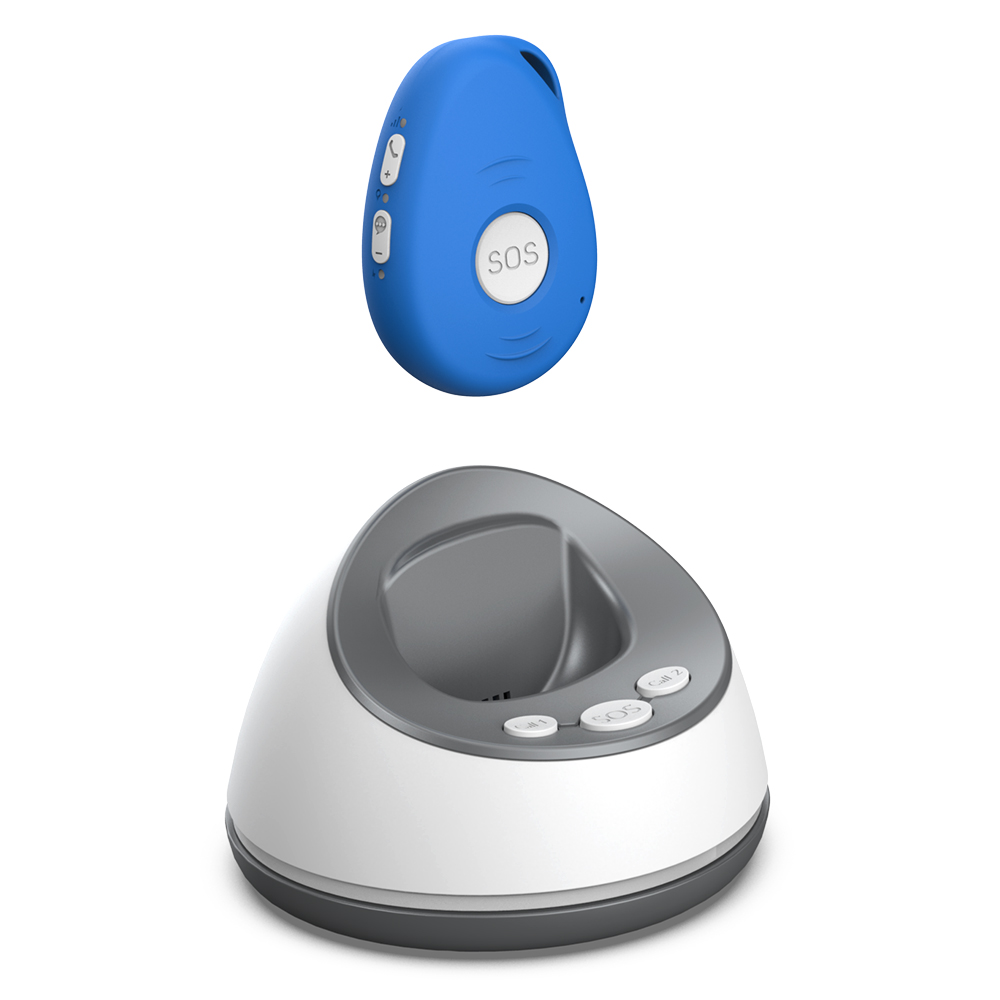
For example, if the person can press an SOS button, that may bring reassurance quickly. If they fall, fall detection can raise an alert even when they cannot ask. If they walk away, a location check can narrow the search. If they are stressed or disoriented, two-way calling may help a familiar person guide them. These are different moments in the same safety picture.
Familyr Medical Alarms dementia wandering alerts may be considered where location checks are useful, but the wider decision still rests on daily routine. A wearable device only helps if it is worn. A location check only helps if someone is available to act on the information. A call only helps if the person can respond in some way, even if the conversation is brief.
Comparing the options side by side
Safe zones are about boundaries. Door alarms are about exits. GPS location checks are about finding someone after they have moved beyond the expected place. Each can reduce uncertainty, but they solve different parts of the problem.
Safe zones may suit a person whose movements are fairly predictable around a home or care setting, especially where a broad boundary can be set without catching everyday activity. Door alarms may suit households where one exit is the main worry, or where staff need a clear signal that a door has been used. A GPS alarm for dementia may suit a person who has already gone missing, who walks beyond the property, or who may be hard to locate once outside.
Cost, maintenance, comfort and response routines all matter, but these should be weighed against the actual pattern of wandering. A device that is easy to fit yet ignored after a week is less useful than a setup that requires more thought at the start but fits the person's day.
Questions that make the choice clearer
Before choosing, look at the places and moments that create the most concern. The aim is not to predict every event. It is to match the support to the most likely risk.
- Does the person usually leave through one door, or can they use several exits?
- Is the main worry leaving the property, or being unable to find them once they are out?
- Can they tolerate wearing a device through the day and night?
- Who will receive an alert, and what will they do when it arrives?
- Are there nearby hazards such as roads, water, steep ground or dense bush?
Those answers often point to a combination. A door alarm can give an early signal. A safe zone can flag movement beyond a set area. A wearable with SOS alerts, fall detection, GPS location checks and two-way calling can support the person once something has happened.
Setting boundaries without creating more stress
A safety setup should fit the person's dignity as well as the household's concerns. Constant alerts, repeated questioning or visible devices can make daily life feel tense. It helps to keep language calm and practical. Instead of treating every movement as a problem, focus on moments where the person may be at risk.

Regular checks should be simple. Confirm that door alarms still work as intended, that safe zone boundaries still match the current arrangement, and that any wearable device is charged, worn and easy for the person to keep on. If an alert system involves an app or phone, make sure more than one trusted person understands how responses are handled.
Physical surroundings matter too. Clear paths, secure gates, good lighting and reduced clutter can lower the chance of a quiet exit or a fall. Locks and alarms should never replace supervision where supervision is needed. If a doorway, gate or electrical fitting is faulty, the safe fix is a job for a qualified professional rather than a temporary workaround.
Choosing the right layer first
Start with the question you most need answered. If it is